-
Mission
Enhancing lives in remote Nepal through essential healthcare services and impactful environmental conservation initiatives.

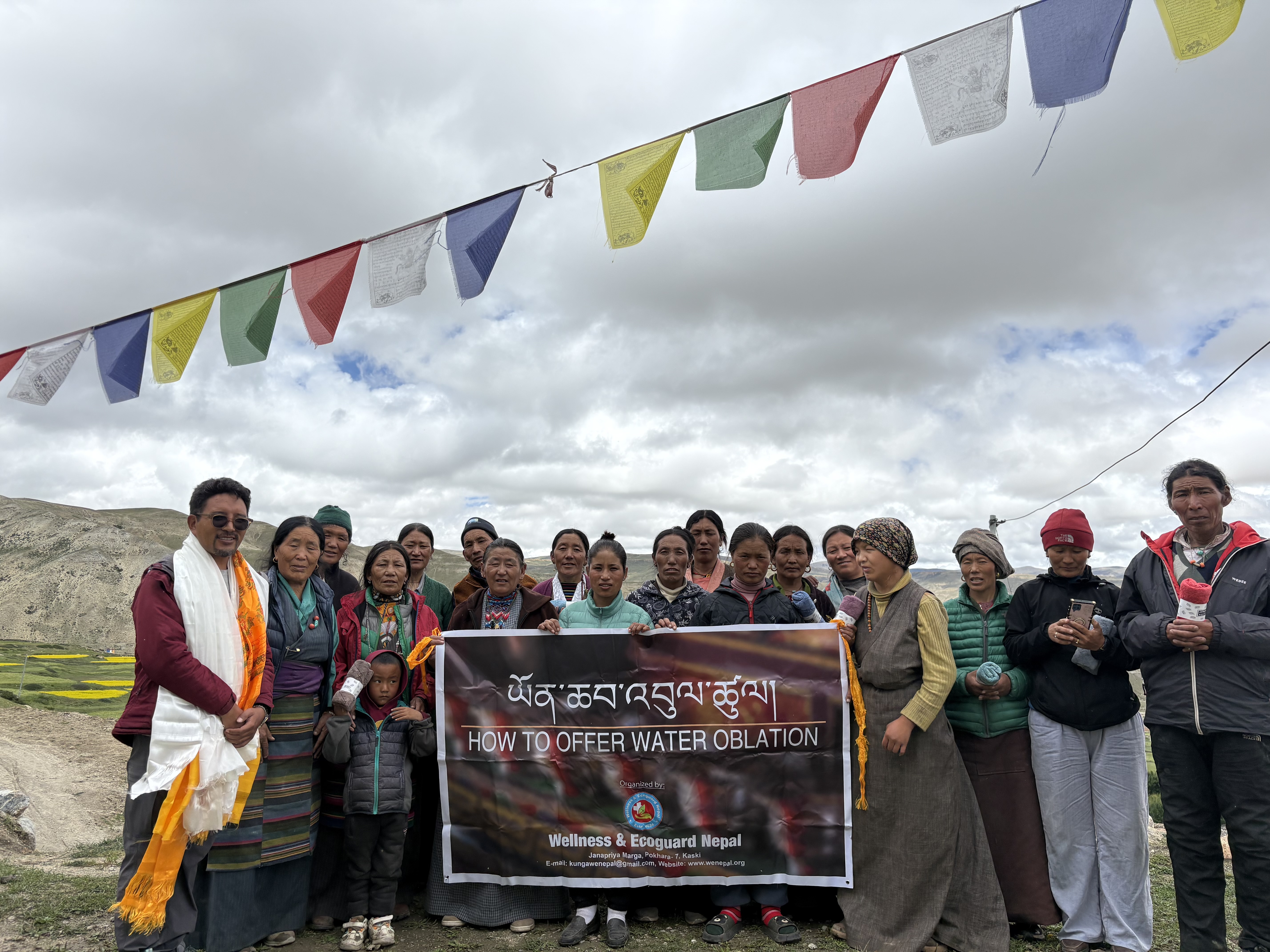
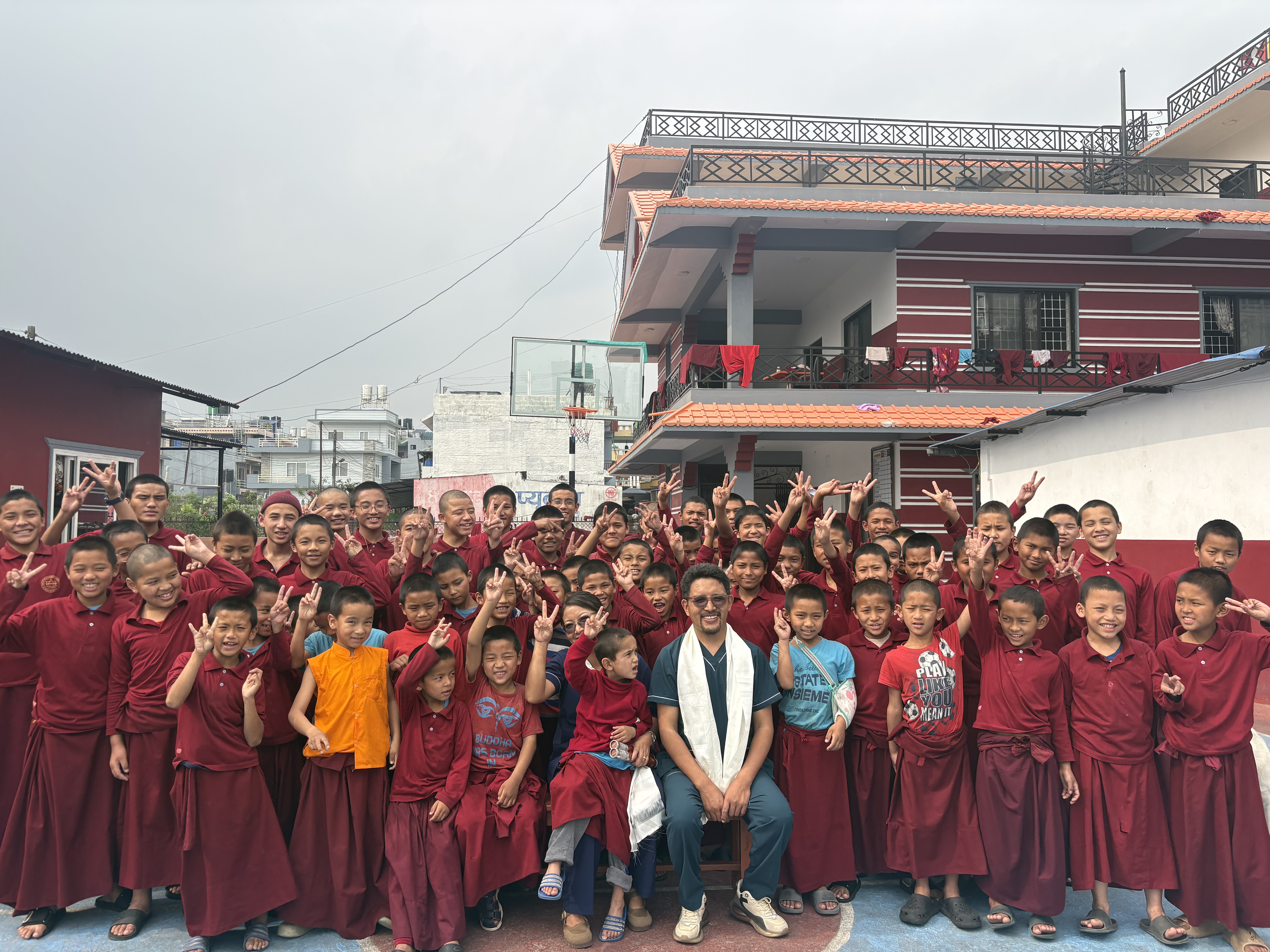
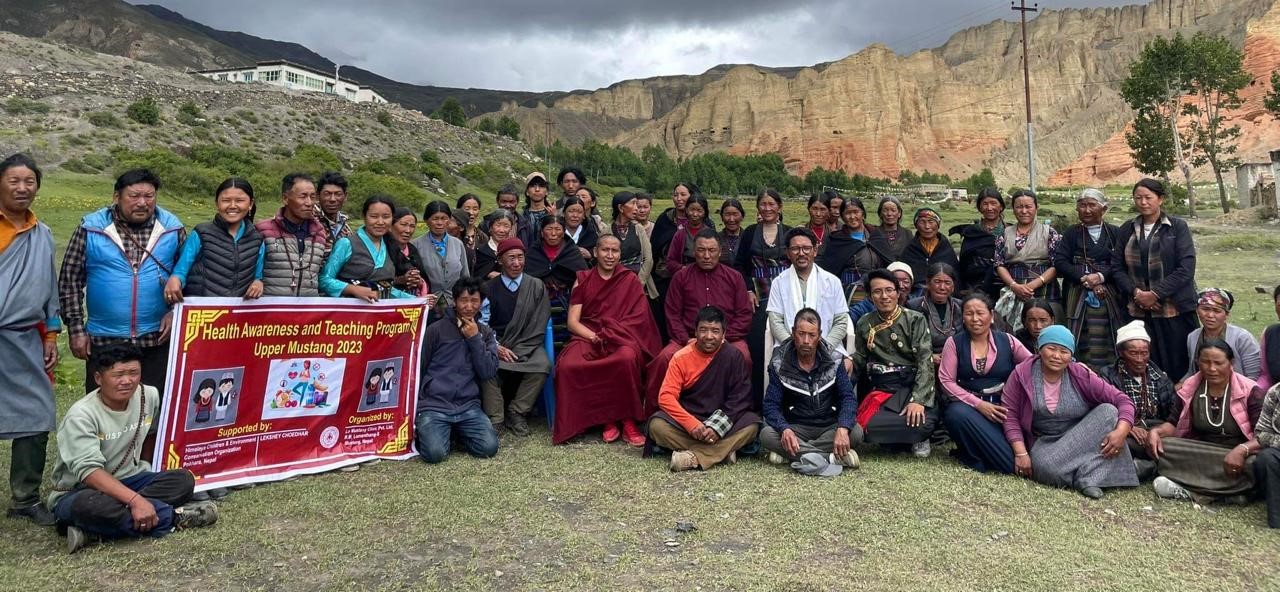
Enhancing lives in remote Nepal through essential healthcare services and impactful environmental conservation initiatives.
Enhance healthcare access and empower communities: Protect natural resources, combat climate change, and raise environmental awareness.
A healthier, more sustainable Nepal where communities thrive and nature flourishes.
Here are some of the recent activities we did recently.
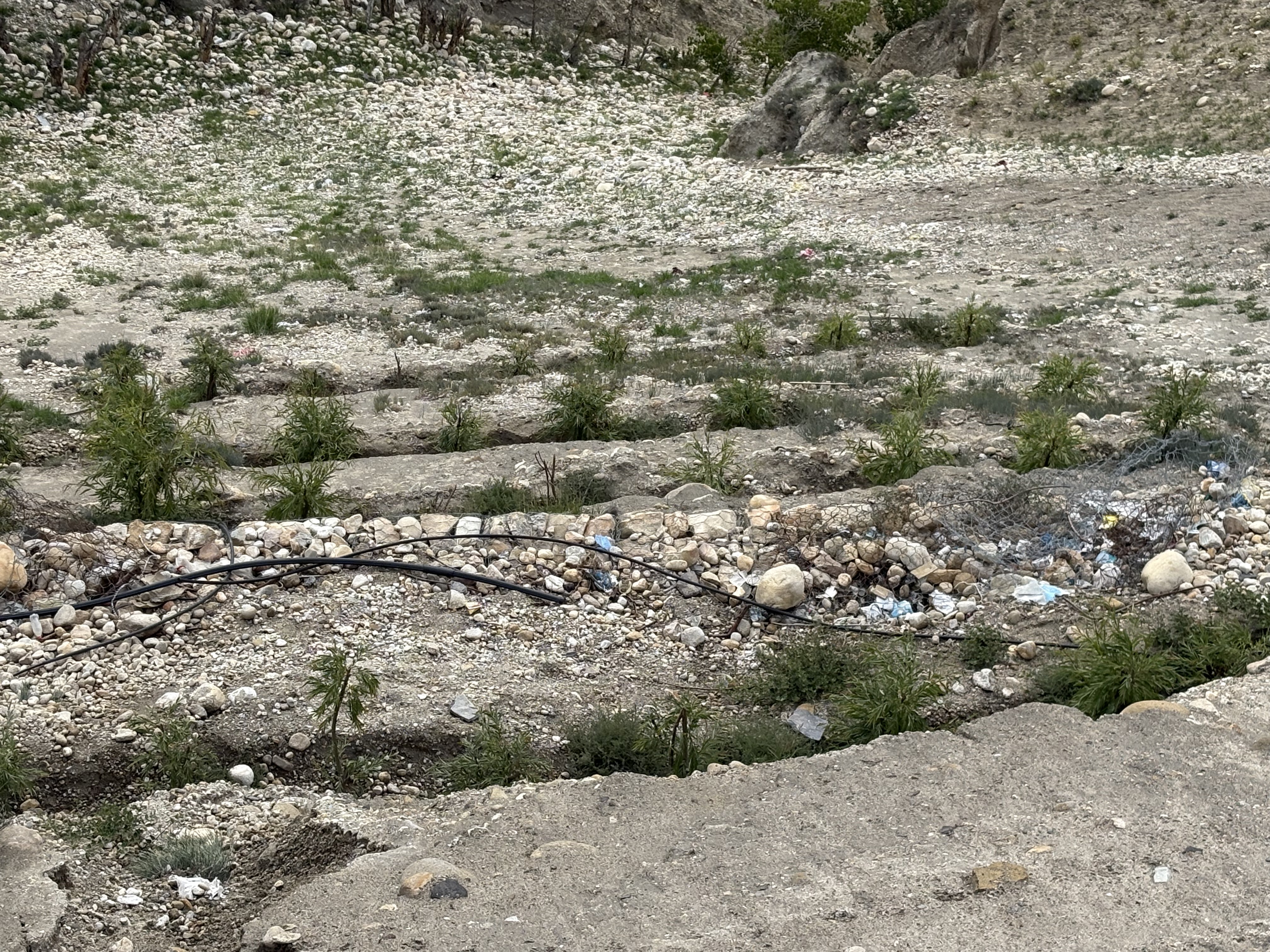
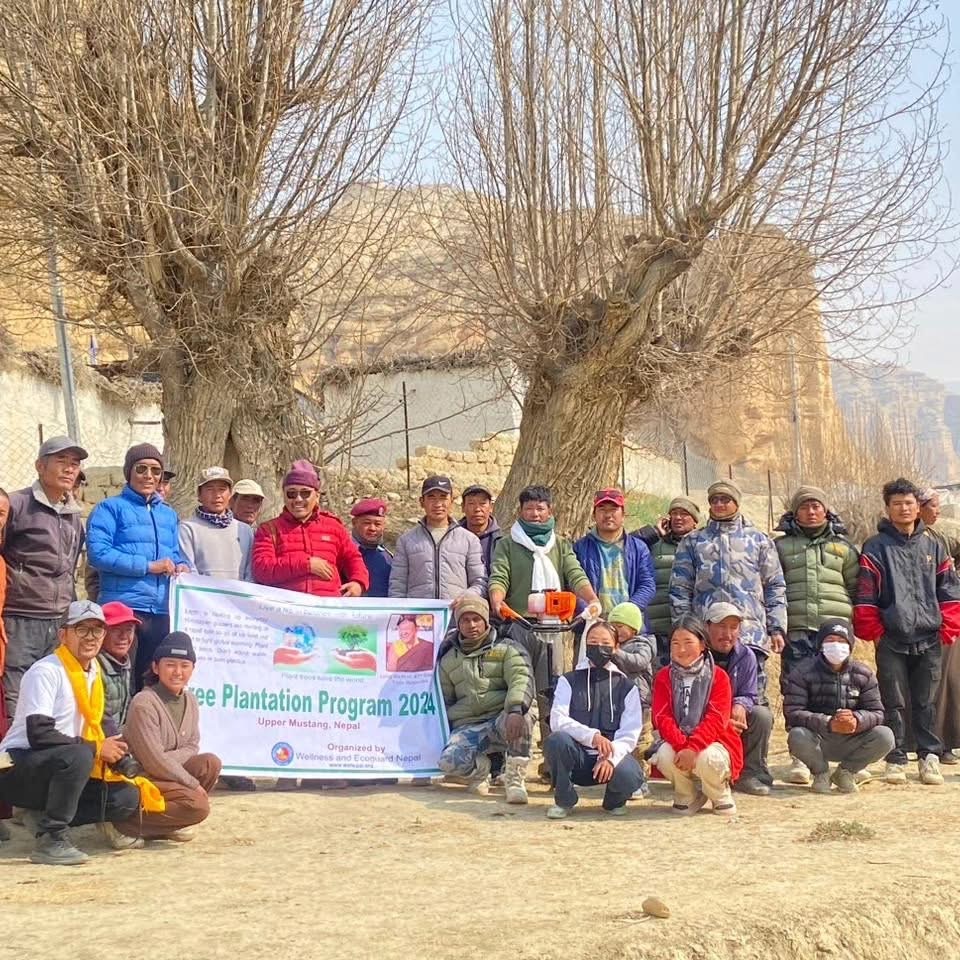
Tree Planting Initiative
Slogan: Nurturing Natur, Securing Our Future
Venue: R.M. Lomanthang, upper Mustang,Nepal
Date: 21/04/2024
Purpose:
To contribute to environmental conservation and mitigate the effects of global warming.
To promote sustainable practices and enhance the ecological balance of the region.
To foster community engagement and awareness about the importance o tree planting.
ACTIVITIES:
Sapling Collections
Guided tree planting sessions
Environmental education workshops
Community clean-up drives
PARTICIPATION:
We invite all individuals, organizations, and local communities to join us in this meaningful endeavor. Your active participation will make a significant impact on the health of our planet.
Let's work together to create a greener, healthier future for generations to come.

Full Length Prostration Performed in Upper Mustang, Nepal. A Holistic Approach to Wellness.
Full-length prostration is a practice found in various spiritual traditions, including BUDDHISM and HINDUISM. It involves bowing to the ground, touching one's forehead to the earth, and then rising back up. While often associated with religious or spiritual practices, it also offers significant benefits for physical, mental, and social well-being.
SPIRITUAL BENEFITS:
Humility and Gratitude
Mindfulness and Meditation
Purification and Cleansing
PHYSICAL BENEFITS:
Flexibility and Strength
Circulation
Posture
MENTAL AND SOCIAL BENEFITS:
Stress Reduction
Self-Discipline
Community Building
Lo Region in upper mustang, Nepal, offers a unique setting for this practice. The serene and spiritual atmosphere of the region, combined with the support of local monasteries, can provide a conducive environment for personal growth and communities.
Wellness and ecoguard Nepal is commendable for organizing this program. By promoting holistic wellness and environmental conservation, they are contributing to the overall well-being of individuals and communities.

Global Warming: The primary reasons for plantation in Upper Mustang are:
High altitude and arid climate: The high altitude and low rainfall make it diffecult for natural vegetation to thrive. Plantation can help to establish and maintaain green cover.
Soil erosion: The dry, loose soil is susceptible to erosion, especially during strong winds. Trees and plants can help to stabilize the soil and prevent erosion.
Limited water resources: While there are some water sources in Upper Mustang, they are limited. Plantation can help to conserve water by reducing evaporation and improving soil moisture retention.
Biodiversity conservation: Plantation can help to restore and maintain biodiversity in the region by providing habitat for various plant and animal species.
Community development: Plantation can create employment opportunities for local communities and contribute to the region's economy.
Climate change mitigation: Trees absorb carbon dioxide, a greenhouse gas, and help to mitigate the effects of climate change.
While other factors like tourism and transportation may impact the environment, the core reasons for plantation in Upper Mustang are primarily related to the region's unique ecological conditions.
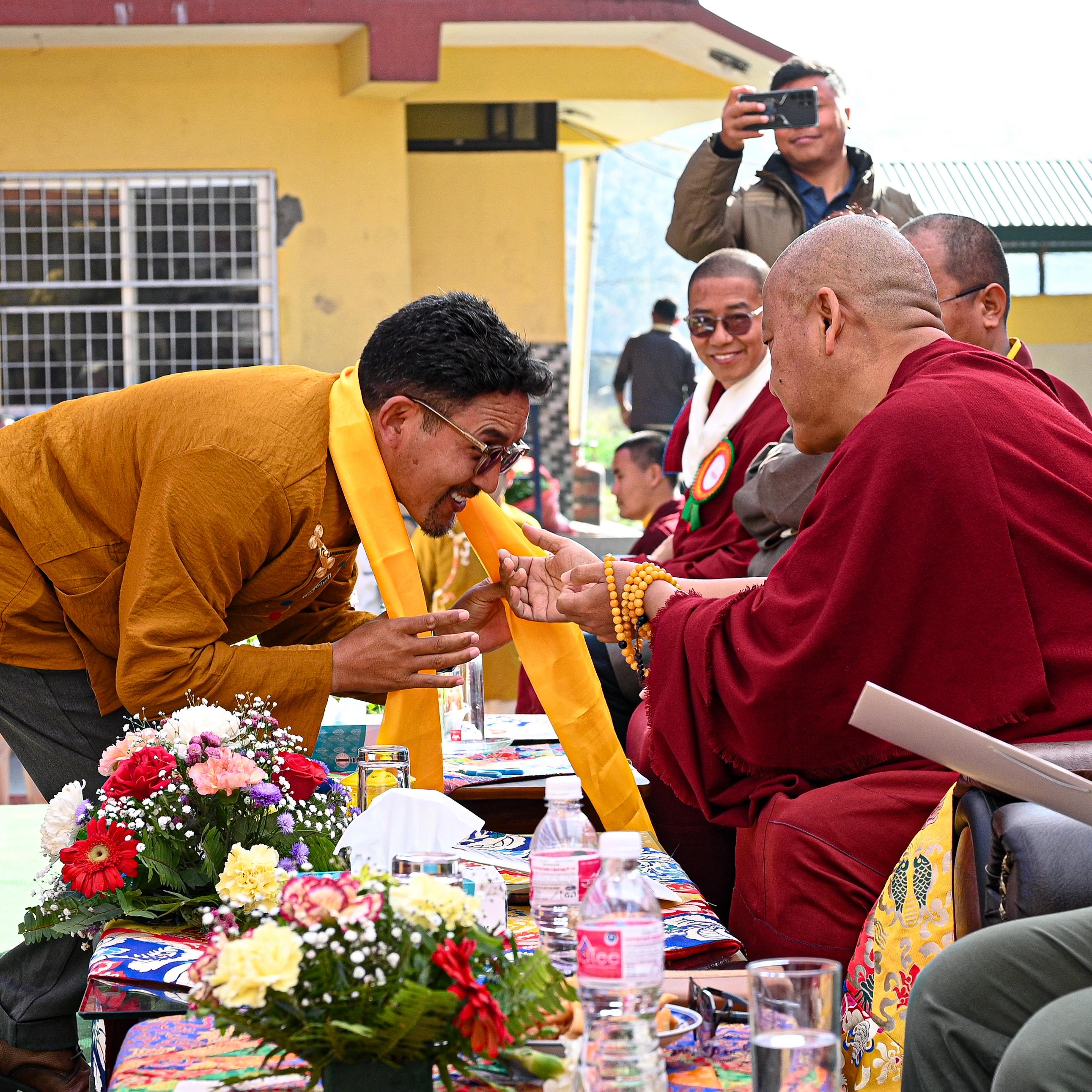
We, the people of Lo and members of Wellness and Ecoguard Nepal, would like to extend our warmest wishes to your holiness, the 41st Sakya Gongma Trichen Rinpoche, on your 80th birthday.
This sounds like a truly meaningful and impactful event. Here's a breakdown of the key aspects;
PURPOSE;
1) Celebrat the 80th Birthday of H.H. the 41st Sakya Gongma Trichen Rinpoche.
2) Promote environmental conservation and combat global warming.
3) Foster spiritual well-being and mental health
PROGRAMS;
Tree Plantation Ceremony
Full Length Prostration Ceremony
Long Life Prayers
Venue;
Forbidden Kingdom of Lo
Organizer:
Wellness and Ecoguard Nepal
Goals:
Plant 1100 Trees
Perform 1321000 Full Length Prostration
Prayers Dolma,barche lamsel, Mani, and Vejaguru etc.
PARTICIPANTS:
Monks,Nuns and local people of Lo region.
This event aligns with the Rinpoche's teachings on compassion, environmental responsibility, and the path to enlightenment. It is a testament to his influence and the dedication of his followers to carry on his legacy.
This eco-friendly endeavor aligns with the principles of environmental conservation and sustainability, reflecting the spiritual leader's teaching on harmony with nature. The plantation not only contributes to a greener planet but also symbolizes the hope and prayers for His Holiness's long and fruitful life.
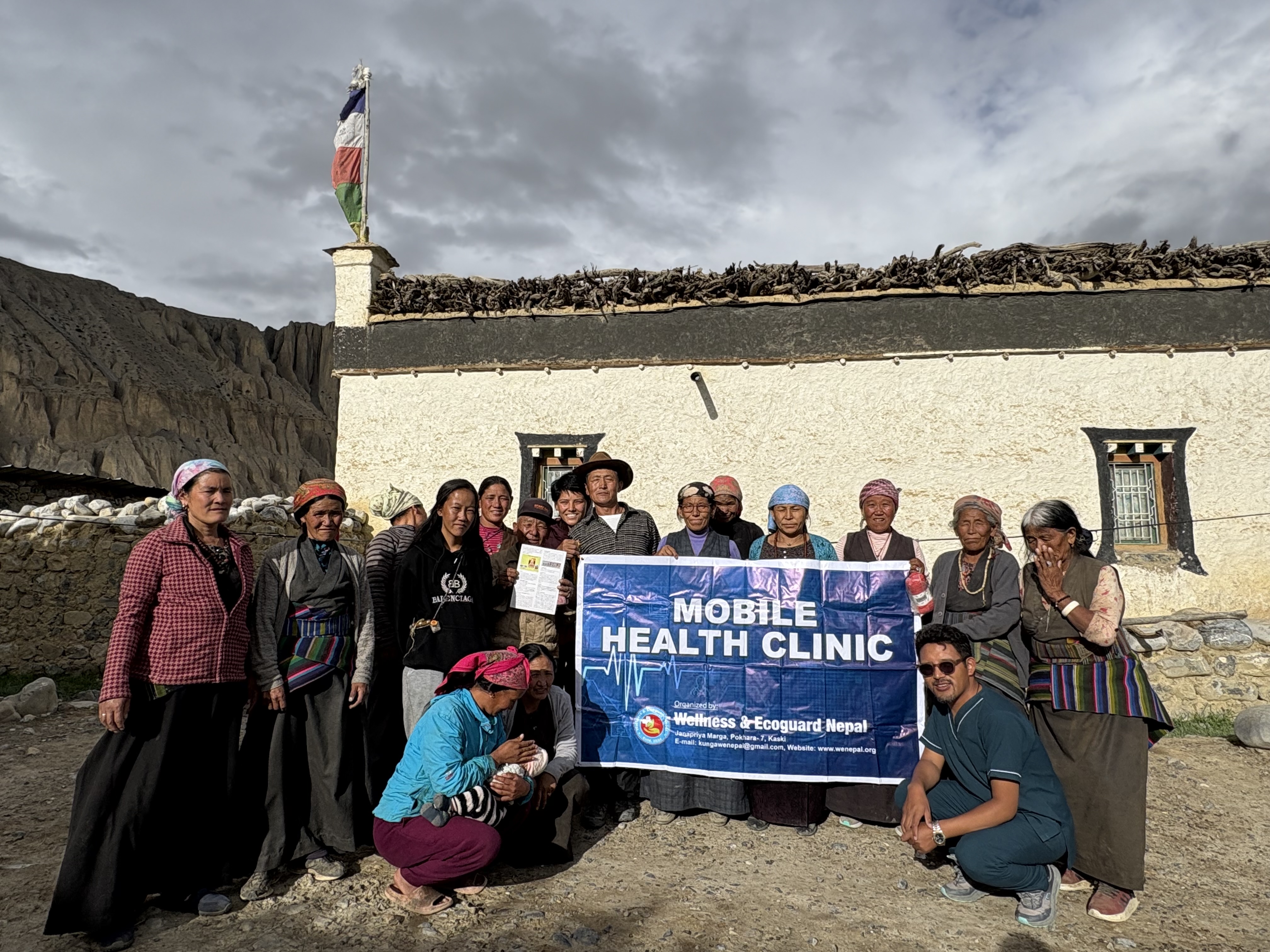
Mobile Health Clinic at Upper Mustang Nepal. A Mobile Health Clinic to provide essential healthcare services to the remote and undrserved communities of Upper Mustang, Nepal. The clinic will address the critical healthcare needs of the region, particulaely those related to limited access to medical facilities, skilled healthcare professionals, and essential medications.
PROBLEM STATEMENT:
1) Geographic Isolation
2) Lack of Medical Infrastructure
3)Limited Access to Medications
PROPOSED SOLUTION
A mobile health clinic will be equipped with:
TARGET POPULATION:
BUDGET:
SUSTAINABILITY:
To ensure the long-term sustainability of the mobile health clinic, the following strategies will be implemented:
A) Community Involement
B) Partnerships
C) Fundraising
D) Training
CONCLUSION:
The establishment of a mobile health clinic in Upper Mustang is a critical step towards improving the health and well-being of the region's population. By providing accessible and affordable healthcare services, the clinic will help to reduce mortality rates, improve maternal and child health, and enhance the overall quality of life in this remote and underserved area.
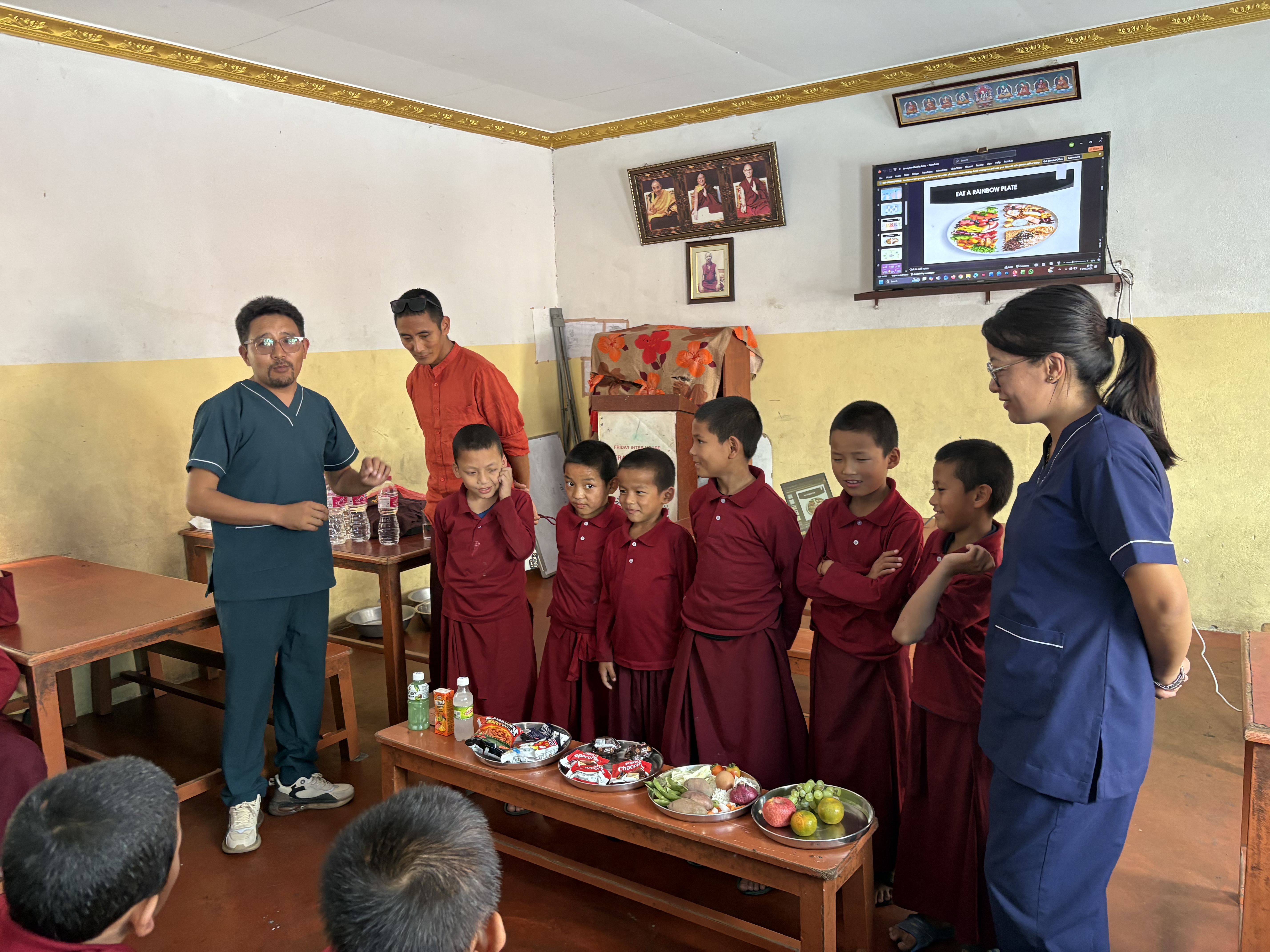
SCHOOL SANITATION AND HYGIENE EDUCATION

Wellness and Ecoguard Nepal, a non-profit organization, provides a variety of services focused on healthcare, sanitation, and environmentalconservation.
Here's a list of their services:
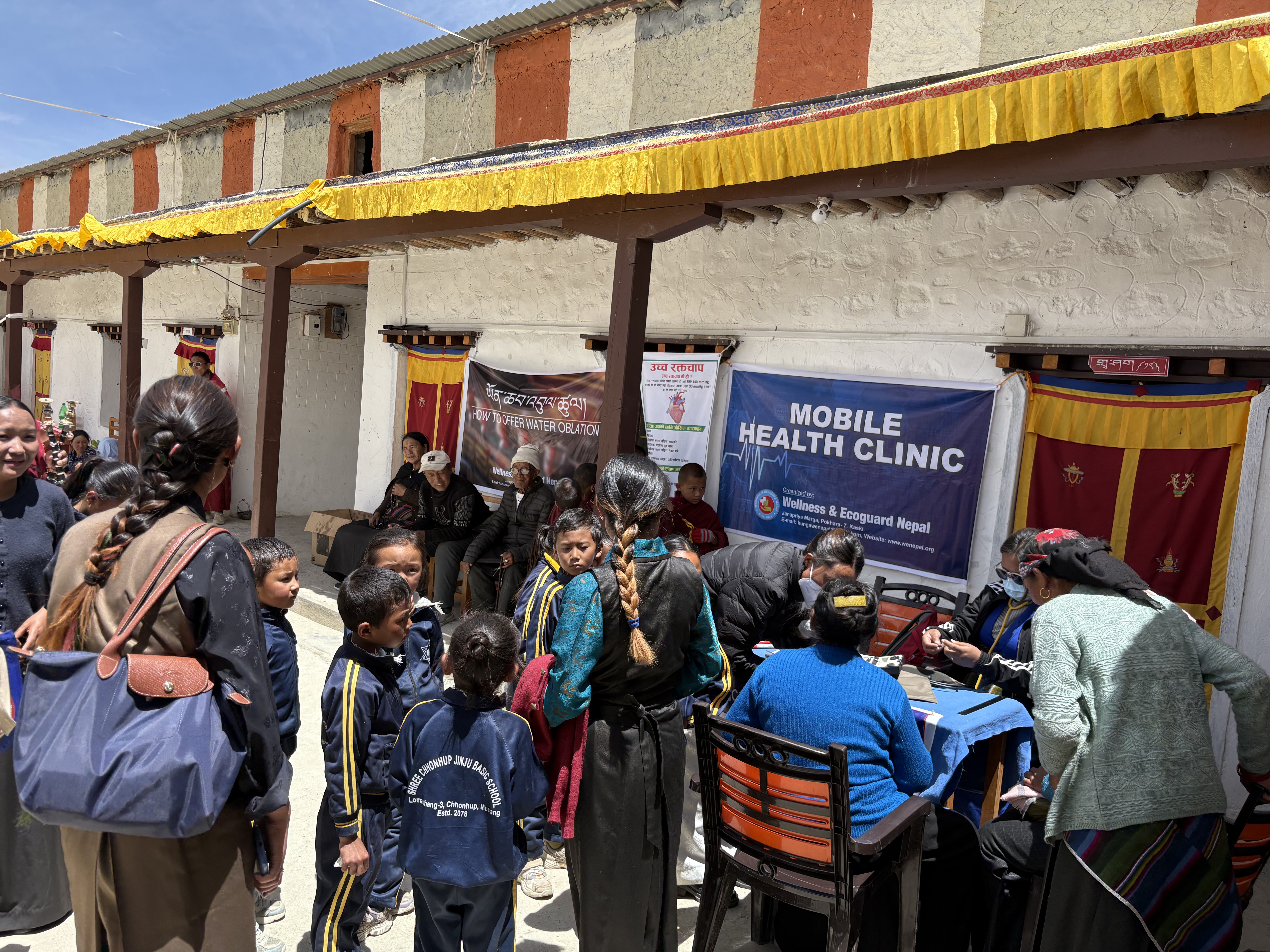
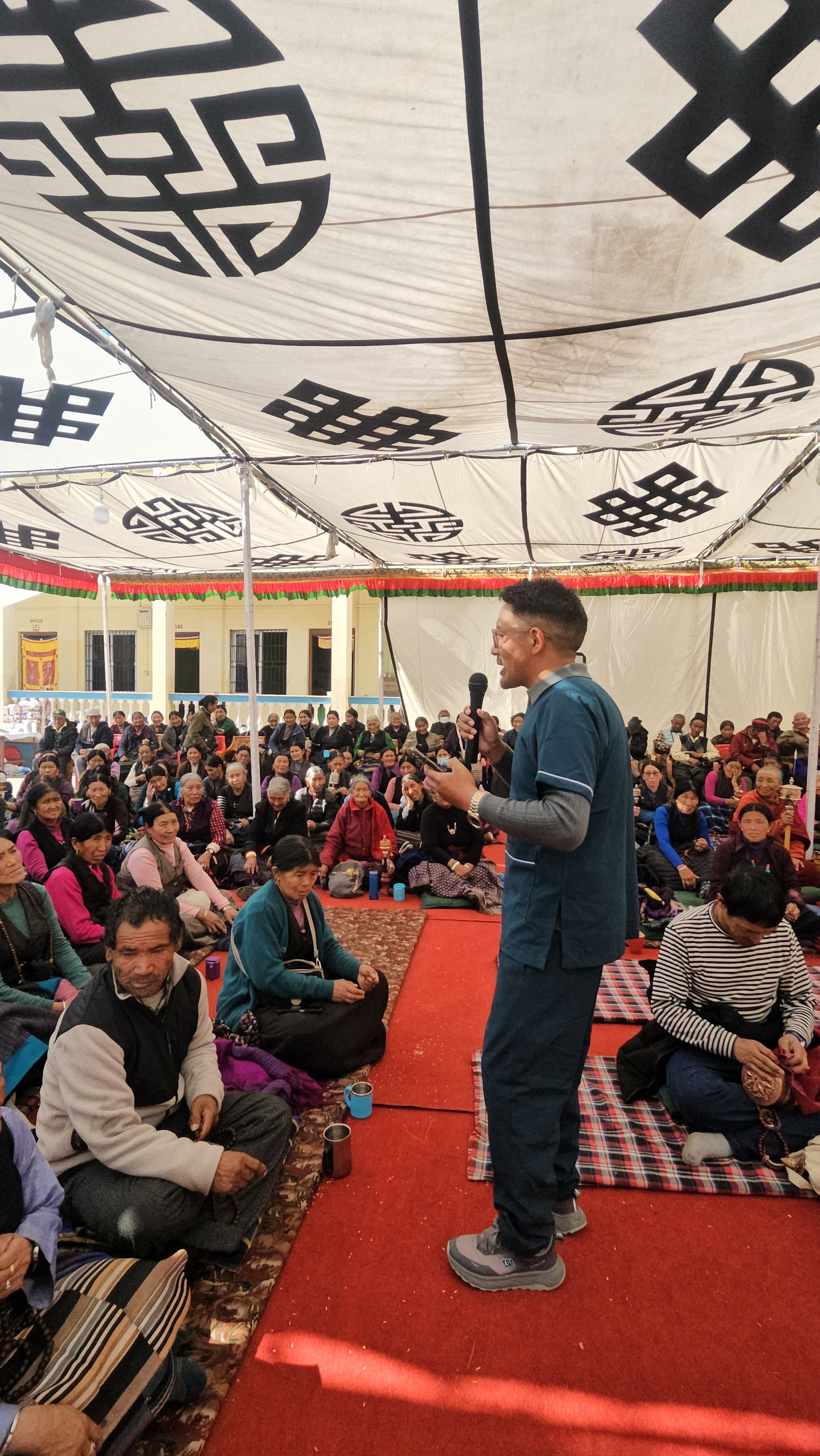
This service provides medical care to people in remote areas who may not have easy access to hospitals or clinics.
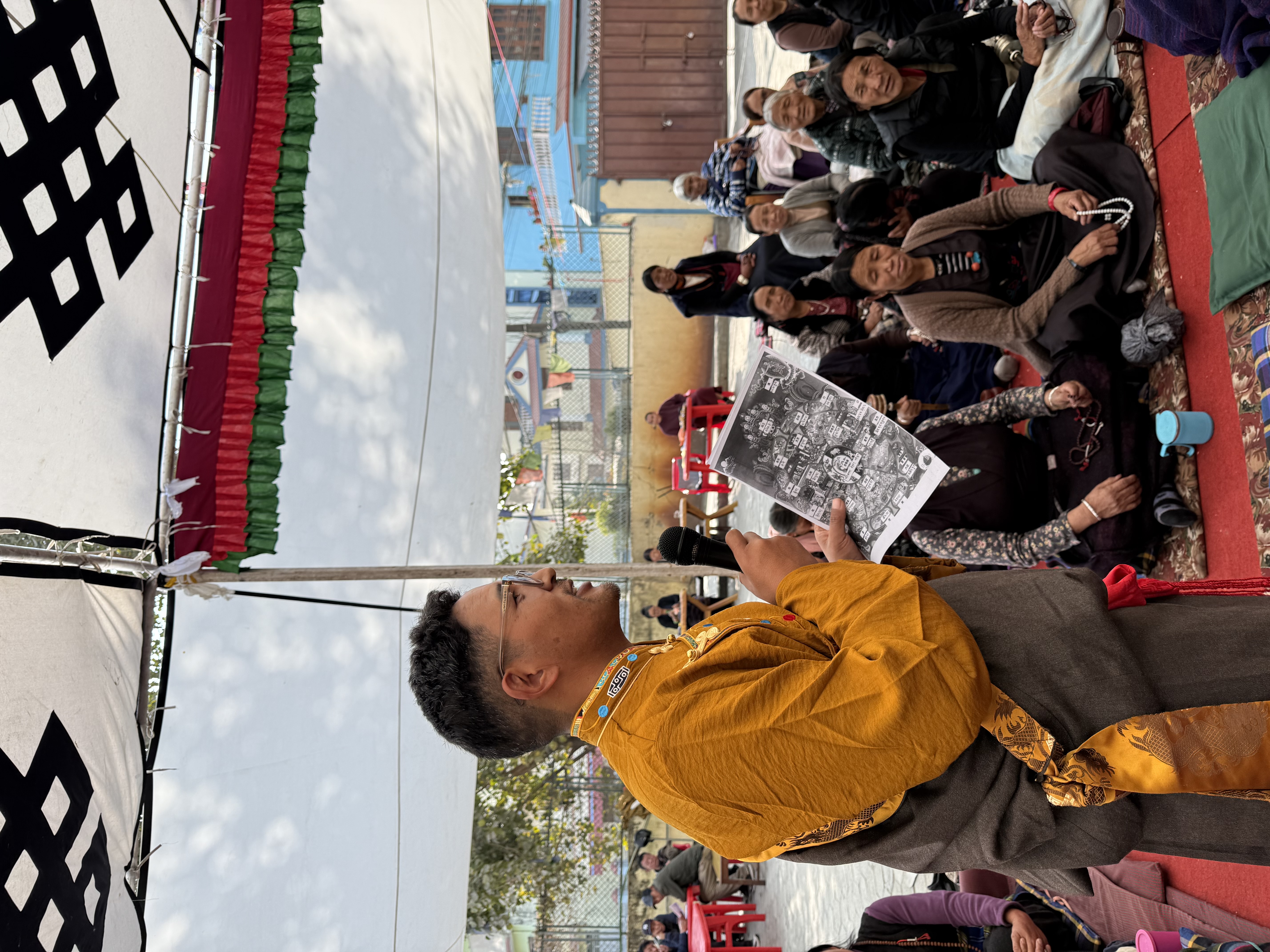
These programs raise awareness about general health issues in the communities.

These programs educate people about important of health topics, such as nutrition, hygiene, and disease prevention.

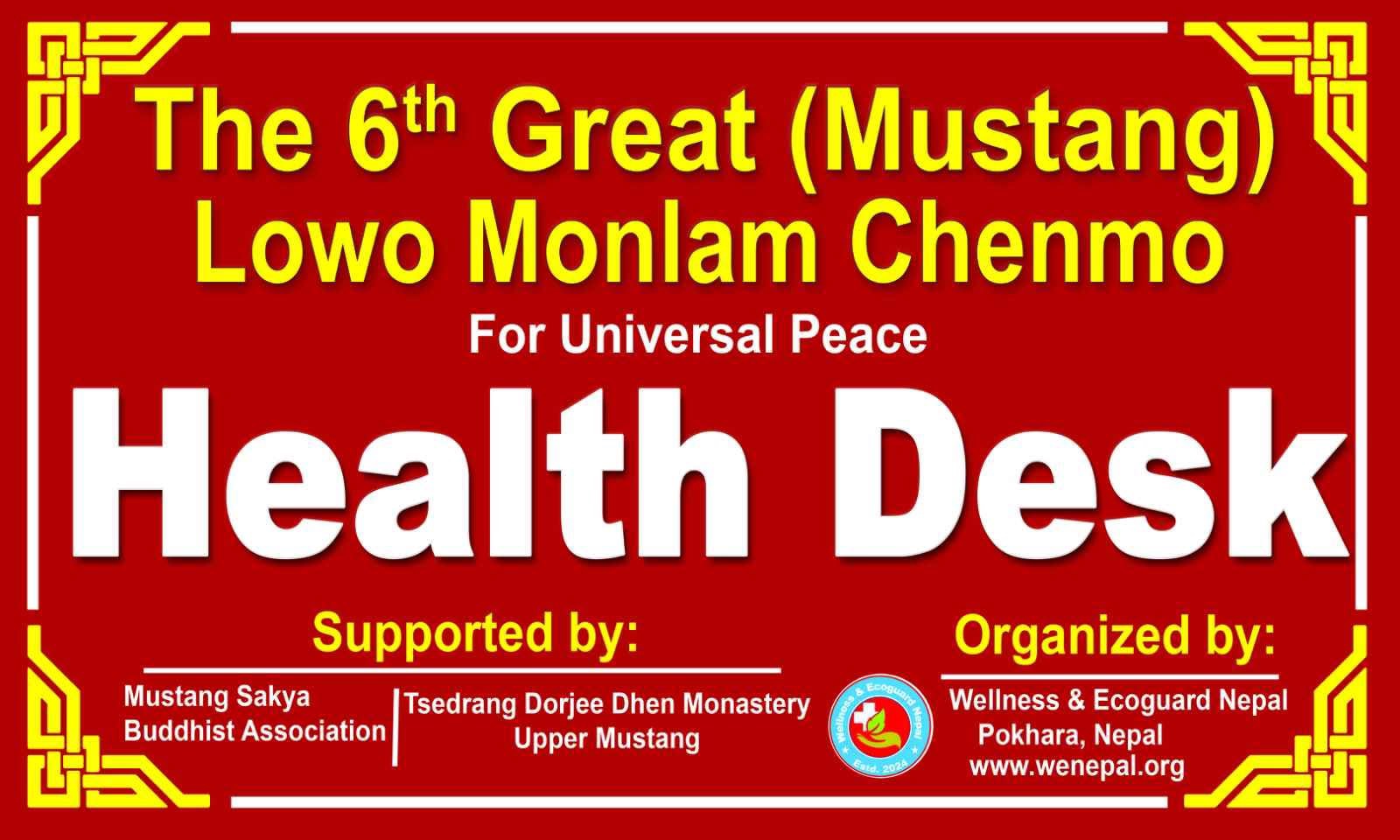
They set up temporary health desks to provide medical care during events and festivals in upper mustang.

This program promotes good hygiene practices and sanitation facilities in the community.

They organize tree planting events to improve the environment, climate change and global ecological crisis.

This program works to protect the environment and promote sustainable practices.
Their dedication to healthcare, sanitation, and environmental well-being is truly commendable.

They offer counselling services to people who are struggling with mental or emotional health issues. Referral cases counselling about Doctors, Hospital in Pokhara, Kathmandu.


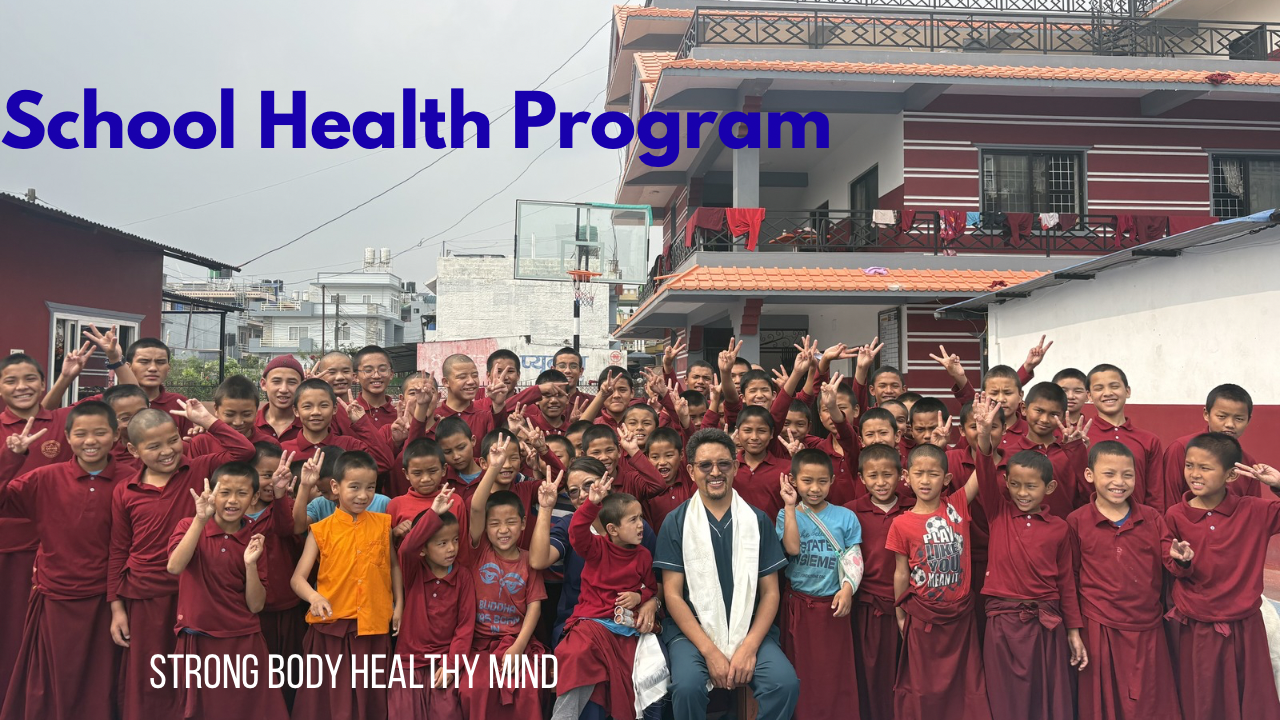
Program Title: "Strong Body,Healthy Mind: A Himalayan Health Adventure"
Overall Vision: To empower children with essential, practical health knowledge that is immediately applicable to their high-altitude environment, respecting their cultural and monastic traditions.
Target Audience: School-aged children (approx. 6-14 years) in monastic and government schools. Duration: 1 Full Day (e.g., 9:00 AM - 3:00 PM) Location: School grounds or monastery courtyard.
Guiding Principles for the Program:
1. Respectful Integration: Acknowledge and respect Buddhist principles. Frame health not just as a physical goal, but as a way to care for the "vessel" that carries the mind towards enlightenment and compassion.
2. Practical & Local: Focus on skills that use locally available resources. Avoid recommending expensive or inaccessible products.
3. Interactive & Fun: Use games, demonstrations, and hands-on activities rather than long lectures. Learning by doing is key.
4. Sustainability: Leave behind simple visual aids (posters) and train a local teacher/monk/nun to continue the lessons.
Proposed Schedule & Activities
9:00 AM - 9:30 AM: Opening Ceremony & Icebreaker
· Welcome: Traditional welcome (e.g., with a white scarf - Khata if appropriate).
· Introduction: Brief explanation of the day's goal: to learn how to keep our bodies and minds strong.
· Icebreaker Game - "Health Wave": Everyone stands in a circle. The leader calls out a health action (e.g., "brush your teeth!", "wash your hands!", "drink water!"). Everyone performs the action together. This is fun and energizing.
9:30 AM - 10:30 AM: Session 1 - The Guardians of Health: Clean Hands & Healthy Teeth (This session uses demonstrable, concrete actions.)
· Activity A: Glitter Germ Attack!
· Concept: How germs spread and why handwashing is crucial.
· Demo: Put a little glitter (representing germs) on one child's hand. Have them shake hands with another child. Watch how the "germs" spread. This visual is incredibly effective.
· Activity B: The Perfect Handwashing Song
· Teach: The WHO-recommended steps for handwashing.
· Action: Use a bucket, clean water, and local soap. Teach them to scrub for 20 seconds (the time it takes to sing the "Happy Birthday" song twice, or a simple, locally known mantra twice). (Om Ara Patsa Nadi)Have everyone practice.
· Activity C: Sparkling Smile Demo
· Teach: The importance of cleaning teeth to avoid pain and difficulty eating.
· Demo: Use a model (or a picture) of teeth and a toothbrush. Show correct brushing technique. If possible, distribute donated toothbrushes and toothpaste for practice (using water only).
10:30 AM - 10:45 AM: Nutritious Break
· Serve a healthy local snack: e.g., an apple, a handful of roasted soybeans, or a roti (flatbread). This is a demo itself for healthy eating.
10:45 AM - 12:00 PM: Session 2 - Fuel for the Body & Mind: Local Nutrition (Focus on making the most of local food sources.)
· Activity A: The Himalayan Food Rainbow
· Concept: Eating a variety of foods for different nutrients.
· Demo: Create a large poster with colored sections. Have children identify local foods and place them in the correct color group (e.g., Orange (Vitamin A): Carrots, Pumpkin | Green: Spinach, Local greens | White (Energy): Rice, Potatoes, Tsampa (barley flour) | Red: Apples, Tomatoes (if available)).
· Activity B: "Eat a Rainbow" Plate
· Action: Give children paper plates and colored pencils. Ask them to draw a healthy meal they could eat using local foods from the rainbow.
12:00 PM - 1:00 PM: LUNCH BREAK
· Provide a healthy, balanced meal that exemplifies the "food rainbow" lesson. Eat together.
1:00 PM - 2:00 PM: Session 3 - Safety First: Mountain First Aid & Hydration (Critical for their remote environment.)
Activity A: The Water Heroes
· Concept: Why drinking clean water is especially important in dry, high-altitude climates to avoid dehydration.
· Demo: Show simple water purification methods: boiling, filtering through a clean cloth, and solar disinfection (SODIS) in a plastic bottle if sunlight is strong.
· Activity B: Tiny Helpers - Basic First Aid
· Teach: Very simple, essential skills.
· Cuts & Scrapes: Demonstrate "Clean, Cover" with clean water and a bandage (clean cloth).
· Stopping Nosebleeds: Lean forward, pinch the soft part of the nose.
· Keeping Warm: Recognize the signs of being too cold (shivering) and the importance of dry layers.
2:00 PM - 2:45 PM: Session 4 - Healthy Mind, Happy Heart: Wellness & Mindfulness (This resonates deeply with monastic traditions.)
· Activity A: Belly Breathing for Calm(Meditation)
· Concept: How breathing can calm nerves, help with focus, and manage big feelings (like anger or fear).
· Action: Teach a simple breathing exercise: place hands on belly, breathe in slowly through the nose (feel the belly expand), breathe out slowly through the mouth (feel the belly fall). Practice together for 2 minutes.
· Activity B: Compassion and Kindness in Action
· Concept: Mental health is tied to how we treat others and ourselves.
· Action: Have each child think of one kind thing they can do for someone else that day. Discuss how helping others makes us feel good inside.
Activity C: Patience in Action
2:45 PM - 3:00 PM: Closing Ceremony & Pledge
· Recap: Quickly review the 4 big lessons: Clean Hands, Good Food, Safe Water, and a Calm Mind.
· Health Warrior Pledge: Lead the children in a simple, fun pledge to practice what they learned (e.g., "I promise to be a Health Warrior! I will wash my hands, eat good food, drink clean water, and be kind!").
· Thank You & Distribution of "Health Warrior" Certificates: A simple certificate or a small token (like a pencil with a health message) makes the day memorable
Logistics & Materials Needed
· Local Liaison: A teacher or senior monk/nun must be involved from the planning stage to ensure cultural appropriateness.
· Translators: Health workers or volunteers fluent in the local language (e.g., Nepali, Tibetan, Lowa ) and dialect.
· Simple Materials:
· Soap, buckets, towels, glitter.
· Toothbrushes, toothpaste (if possible for demo).
· Posters, markers, colored pencils, paper plates.
· Examples of local foods.
· First aid supplies for demo (clean cloth, bandages).
· Certificates or small gifts for participants.
· Food & Water: Arrangements for providing a healthy lunch and snacks.
Post-Program Sustainability
1. Leave Behind: Laminated posters of the "Handwashing Steps," "Himalayan Food Rainbow," and "First Aid Tips" for the school.
2. Train the Trainer: Spend 30 minutes after the program with the teachers/monks, going over the key activities so they can repeat them.
3. Follow-Up: If possible, plan a brief follow-up visit or message in 3 months to check progress and answer questions.
This program is designed to be a joyful, engaging, and truly useful day that gives these children practical tools to improve their immediate and long-term health and wellbeing.
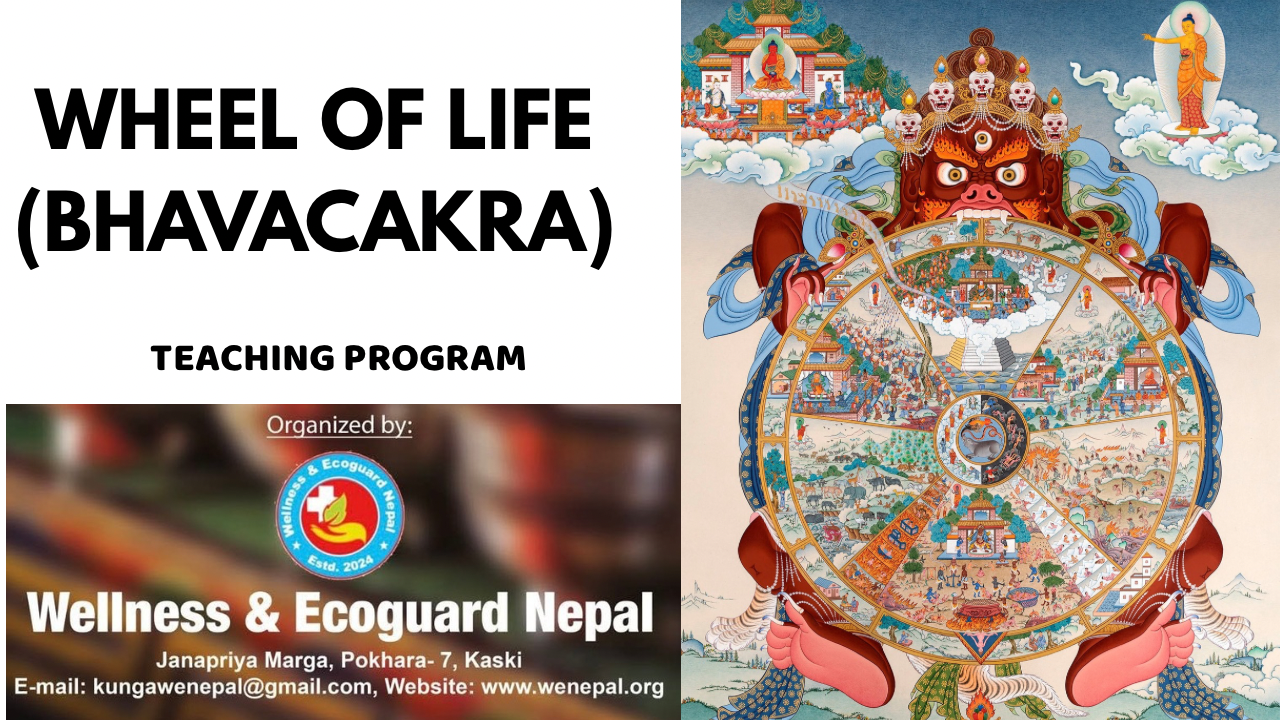
THE WHEEL OF LIFE.
Sipa Khorlo (སྲིད་པ་འཁོར་ལོ་) or bhavacakra is one of the most popular artistic creations in the Buddhist world.
The bhavachakra is painted on the outside walls of nearly every Tibetan Buddhist temple in Tibet and India, to instruct non-monastic audience about the Buddhist teachings.
The bhavachakra consists of the following elements:
1.The pig, rooster and snake in the hub of the wheel represent the three poisons of ignorance, attachment and aversion.
2.The second layer represents karma.
3.The third layer represents the six realms of samsara.
4.The fourth layer represents the twelve links of dependent origination.
5.The fierce figure holding the wheel represents impermanence. It is also Yama, the god of death.
6.The moon above the wheel represents liberation from samsara or cyclic existence.
7.The Buddha pointing to the white circle indicates that liberation is possible.
Symbolically, the three inner circles, moving from the center outward, show that the three poisons of ignorance, attachment, and aversion give rise to positive and negative actions; these actions and their results are called karma. Karma in turn gives rise to the six realms, which represent the different types of suffering within samsara.
The fourth and outer layer of the wheel symbolizes the twelve links of dependent origination; these links indicate how the sources of suffering—the three poisons and karma—produce lives within cyclic existence.
The fierce being holding the wheel represents impermanence; this symbolizes that the entire process of samsara or cyclic existence is impermanent, transient, constantly changing. The moon above the wheel indicates liberation. The Buddha is pointing to the moon, indicating that liberation from samsara is possible.
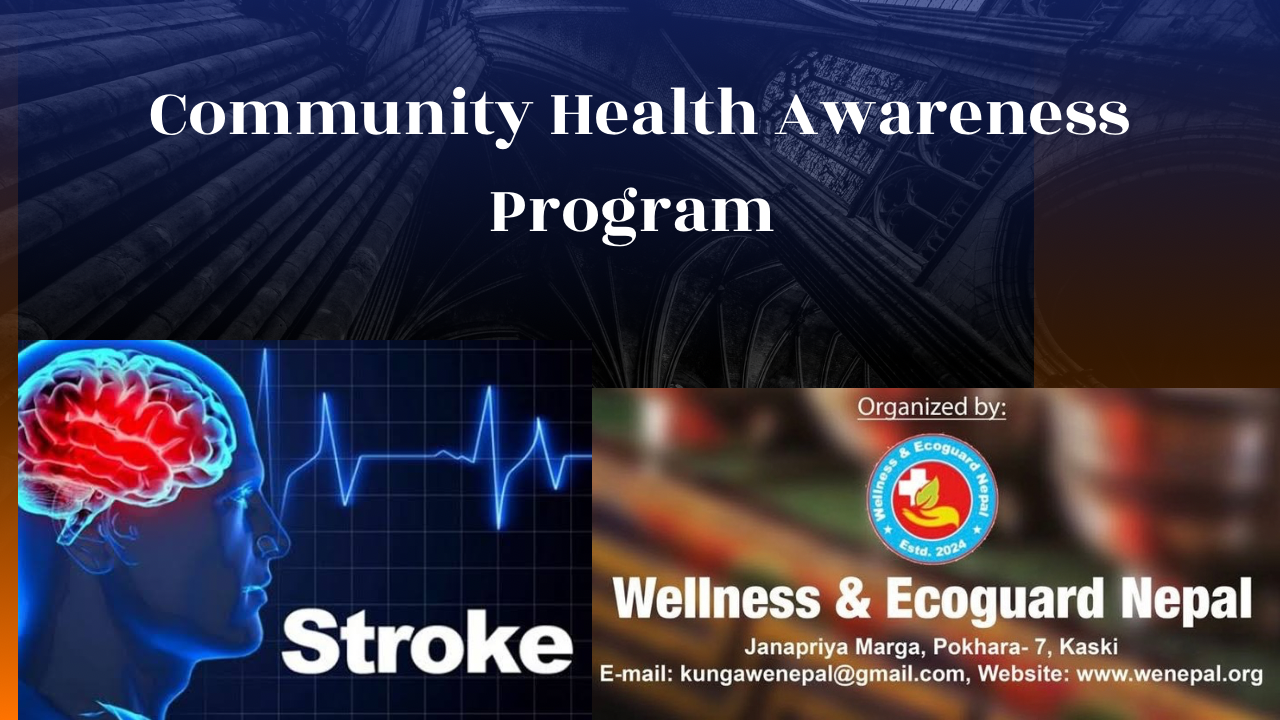
Community Health Awareness Program
Stroke
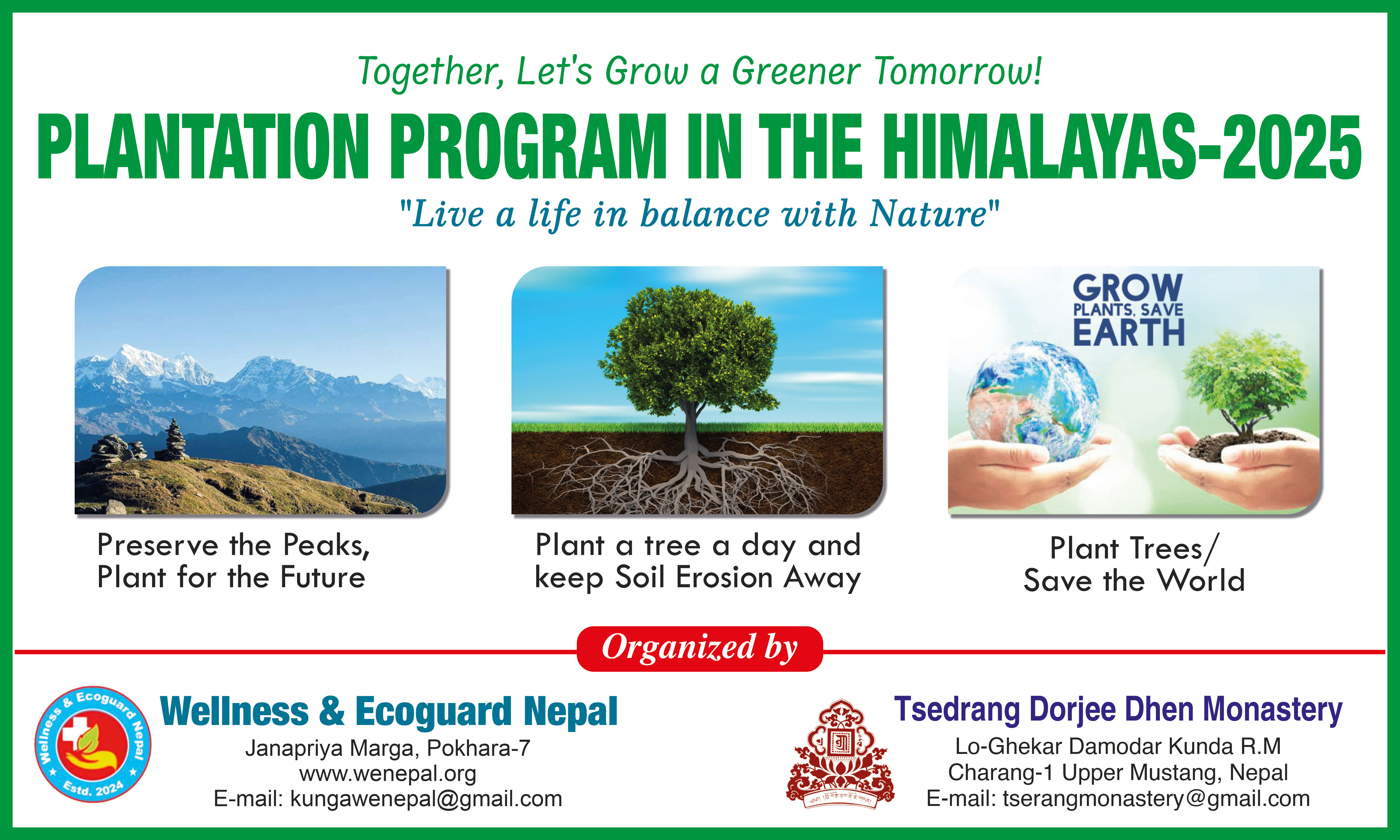
🌿 A Letter from the Heart: Let’s Green the Roof of the World Together
Dear Friends of world,
Namaste!
Imagine standing in Upper Mustang—where the wind carries whispers of ancient Tibetan culture, but the land bears scars of climate change. Barren slopes that once cradled life now beg for healing. At Wenepal, we’re rolling up our sleeves to answer that call, and we’d love your hand in this sacred mission.
Why Trees? Why Now?
Every popular tree we plant in Mustang isn’t just a tree—it’s a shield against desertification, a cradle for biodiversity, and a love letter to future generations. With your support, we can:
-Turn dust into forests: 3,000 native trees to anchor the soil and revive water sources.
- Equip locals as Earth Guardians: Train 100+ villagers (especially women) in agroforestry.
- Fight global warming locally: Each tree absorbs CO2, but here, it also preserves a vanishing way of life.
Let’s Make Magic
We’re seeking Grant Amount $5000 to launch Phase 1. Attached is a blueprint—but think of it as a seed. With your nurture, it can blossom into:
✔ A model climate-resilient zone for all the Himalayas.
✔ A story we’ll tell grandchildren: “Remember when we brought Mustang back to life?”
“Saving the planet one Himalayan village at a time.”
P.S. A Mustang elder once told me, “The best time to plant a tree was 20 years ago. The second-best time is today.” Let’s start planting.
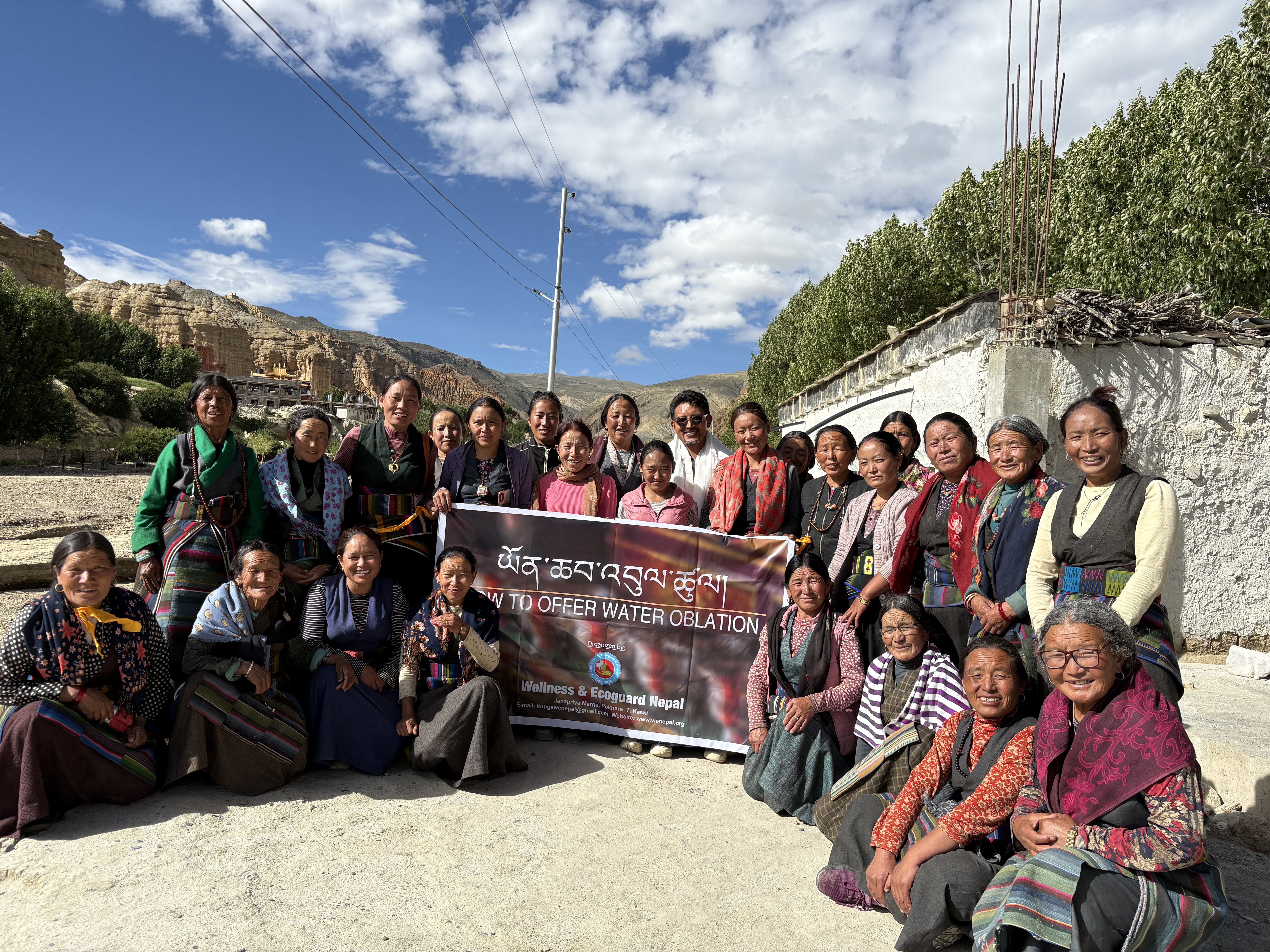
Lowo Monlam Chenmo for Universal Peace
Water offering is basic practice in Buddhist